

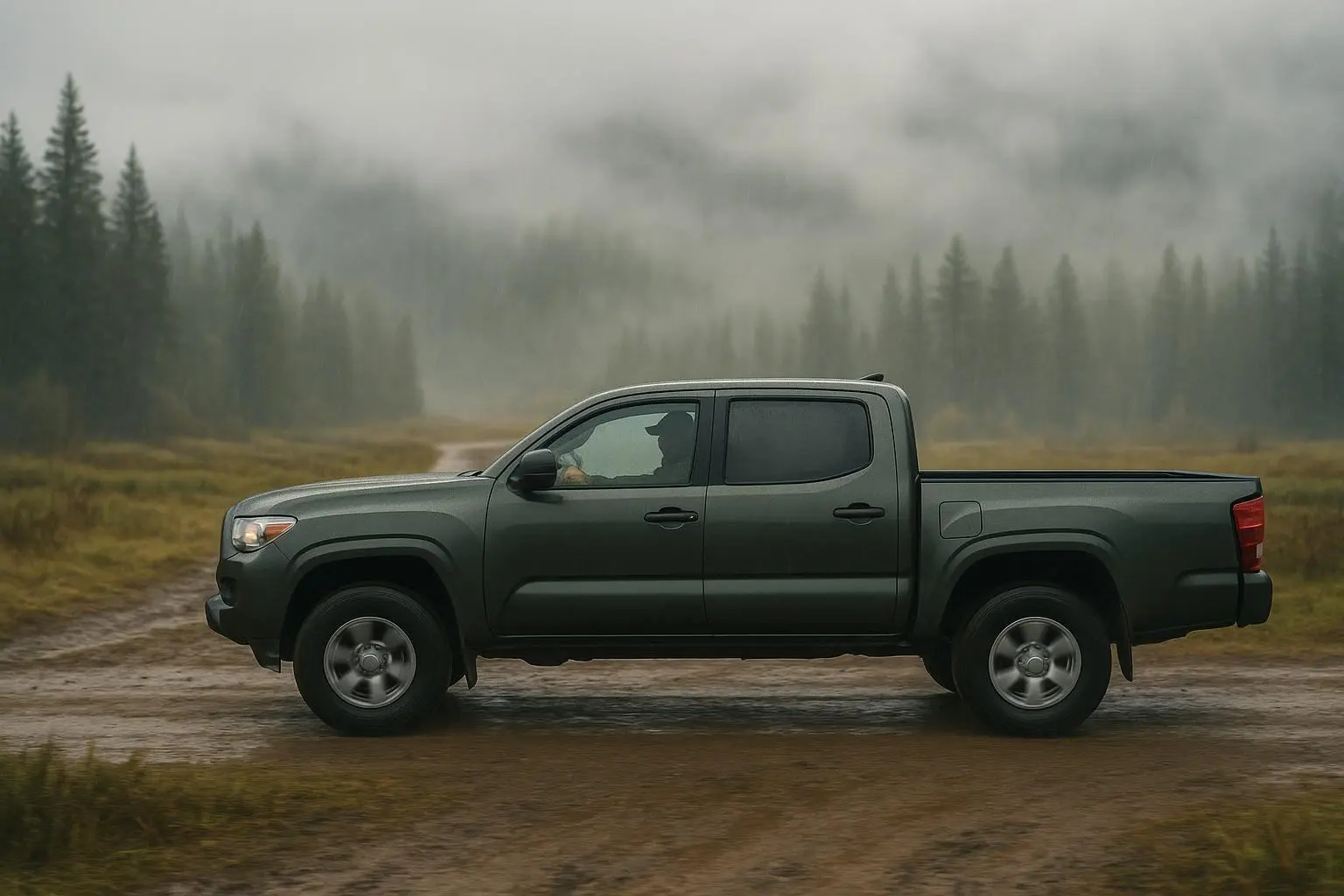
The decision comes before the truck door opens: do you carry a light, mobile setup or heavier kit for a long stationary sit? Consider a Saturday outing on familiar public ground after steady overnight rain. The access trail is soft, the forecast is warming, and shifting wind is expected by midday. The useful question is not which setup looks most capable, but which combination of clothing, optics, navigation, transport and restraint fits the ground, visibility and legal boundaries you will actually face. Reading those details first makes preparation safer, quieter and more respectful of the resource.
Start with the ground, not the gear
A map can show ownership lines, elevation changes and water, but it cannot fully explain how a site will feel after rain. A low trail may become difficult to cross, exposed slopes may dry quickly, and dense cover can limit movement and safe visibility. Before choosing a hunting setup, ask where you can walk without excessive noise, where you can stop without blocking a route, and which areas should remain undisturbed.
In the Saturday scenario, a compact pack may be more useful than a large loadout. It can carry rain protection, water, navigation tools and essential field equipment while keeping you balanced on soft ground. That is not an argument for carrying less at any cost. It is a reminder that extra equipment has a movement cost, and movement affects both safety and the quality of the hunt.
Let weather change the plan
Forecasts are planning tools, not guarantees. Temperature, precipitation, cloud cover and wind can alter animal movement, scent dispersion, footing and personal endurance. A calm morning may become breezy by afternoon, while wet clothing can become a comfort problem long before it becomes an emergency, especially when you stop moving.
Plan for changes rather than a single forecast line. Choose layers that adjust quietly. Protect maps and critical electronics from rain. Bring enough water and food for an unhurried return, and treat daylight as a limit rather than a target to stretch. If the ground becomes slick or visibility deteriorates, change the route or end the outing. That is sound judgment, not failure.
Wind and visibility set the boundaries
Wind affects more than scent. It moves branches, masks some sounds and makes a stable view harder to maintain. Gusts through open timber may create brief windows of usable visibility, while thick vegetation can conceal hazards, other people or an animal's movement. A setup that seems reasonable at the trailhead may be unsuitable once conditions develop.
Use glassing and observation points only where the view is clear enough for confident identification and a safe backstop. Never let the desire to fill a tag turn uncertainty into a guess. If wind is unpredictable, plan for patience and repositioning rather than assuming conditions will cooperate. Ethical preparation includes knowing when the available information is insufficient for a responsible decision.
Choose equipment for the actual job
Gear should solve a problem you expect to encounter. Quiet, weather-appropriate clothing may matter more than specialized apparel. A reliable headlamp, a charged navigation device backed by a map, and footwear suited to the terrain can contribute more to a controlled outing than an overloaded pack of rarely used accessories.
The same principle applies to optics and transport. In thick cover, a compact viewing tool may be easier to handle; in open country, stability and reach may matter more. Carrying methods should keep your hands available for climbing, opening gates or managing uneven ground. Any firearm or archery equipment must be selected and used according to current law, personal competence and safe handling practices. Do not modify equipment in ways that compromise safety or legality.
Check rules before checking in
Regulations are part of the setup, not paperwork added at the end. Seasons, permits, methods, tagging procedures, access restrictions, species-identification rules and transport requirements can change. Requirements may also differ between neighboring properties or management units.
Before departure, consult current official guidance for the place and species involved. Confirm that your license or permit is valid, the intended method is allowed, and required identification or reporting steps are understood. Keep boundaries visible on a dependable map, especially where public and private land meet. If an answer is unclear, contact the relevant wildlife or land-management authority before hunting rather than relying on an old note, a remembered rule or a confident friend.
Use a short pre-departure check
For the rainy Saturday outing, a useful check can stay brief:
– Confirm current regulations, permissions, boundaries and access conditions.
– Match layers, footwear and pack weight to the forecast and terrain.
– Check wind direction, expected visibility and safe observation areas.
– Pack navigation backups, water, food, light, first-aid supplies and weather protection.
– Inspect equipment for safe operation and leave anything unfamiliar at home.
– Tell a trusted person the general route and expected return time.
– Decide in advance which conditions will make you turn around.
That final decision deserves more attention than it usually gets. A clear stopping rule protects judgment when fatigue, disappointment or changing weather begins to narrow attention.
Leave the place better than you found it
Preparation also affects conservation. Stay on durable routes where appropriate, close gates as found, pack out waste and avoid unnecessary disturbance. Respect seasonal closures and sensitive areas even when a shortcut appears harmless. Such limits protect land, wildlife and future access, though specific requirements must always be checked against current official information.
A successful day is not defined only by seeing or taking an animal. It can mean returning safely, making a lawful identification, passing on an uncertain opportunity or recognizing that wet ground needs a lighter touch. Read the conditions honestly, choose equipment that supports that reading, and let the plan change when the landscape gives you a reason.