

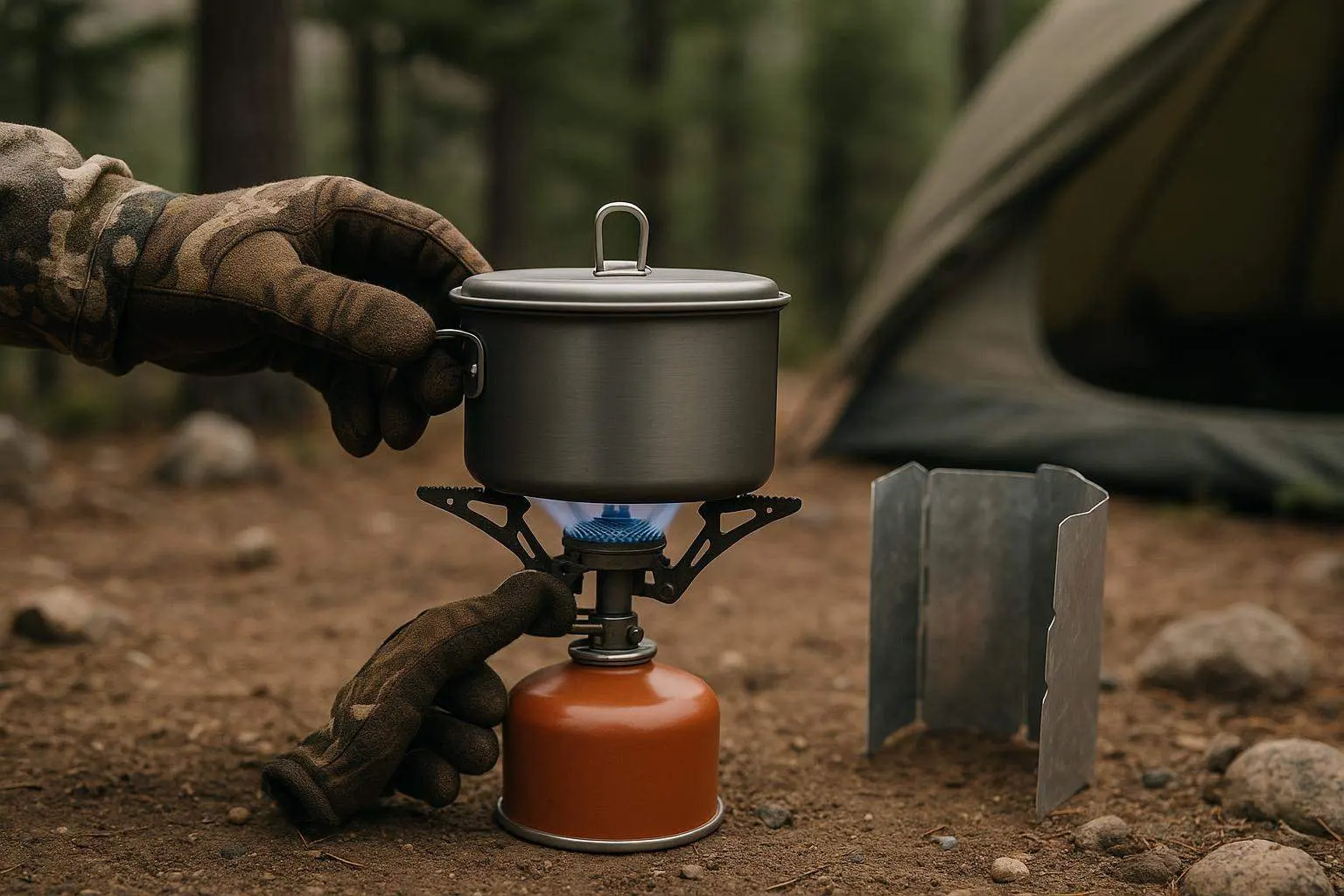
Deciding whether to use a campfire or a portable stove is a decision before you head out on a backcountry hunt. This choice affects how weight you carry how visible you are, to others and how much you impact the environment-especially in dry or windy weather. For hunting or fishing trips a fire is not a must-have. It is more of a comfort. Thinking about it this way helps you make choices between safety, ethical practices and pack weight.
Focus on Your Needs
Think about what your cooking system needs to do. If all you want is drinks to rehydrate food or to cook a fish meal a compact stove may be enough. Using a stove means you don't have to gather wood or deal with leftover embers. It can save time and effort.
If your group plans to cook over coals, wet clothes or stay warm on cold nights a fire might be needed. The key is not just wanting a fire. Knowing if it does something a stove cannot. For example a solo hunter with a shelter might use a stove. Skip the axe, saw and extra fire-starting gear. On the hand a base camp in a allowed area might support a larger fire setup depending on the weather and rules.
Understand the Regulations
Fire rules vary a lot. They depend on who manages the land the time of year weather and fire danger. Some places allow fires in metal rings. Others ban them during high-risk periods or in areas. There are also rules about charcoal collecting wood, storing fuel and using stoves. Never assume a stove is always okay.
Before you go check the guidelines from the land agency. Then double-check them as your trip draws near if the forecast changes. Keep your permits. Rules handy offline-cell service can be unreliable. When you're unsure go with the choice that causes the harm and is clearly allowed.. If your plan depends on fire consider postponing.
Evaluate Your Stove Choices
A stove is not a burner. It's a system made up of a fuel canister, a pot, an ignition tool, wind protection and a backup plan. Test your setup at home with the pot, fuel and lighter you'll use in the field. A stove that works fine inside might fail in wind that steals heat or makes lighting difficult.
Canister stoves are popular for being small and easy to use.. Their performance depends on the canister and the weather. Liquid-fuel stoves can be. Fixed in the field.. They have pieces and need careful handling. Wood-burning stoves reduce the fuel weight you carry.. They rely on wood and legal collection. There is no one stove.
Pick a stove that matches your trip's needs, not the features. For trips fast setup matters. For ones plan fuel carefully. Choose reliable ways to start the stove. In weather or remote places pick a system you can trust without guessing.
Fuel and Ignition: Considerations
with a good stove you might fail if you don't plan your fuel. Count how meals you'll make how much water you need to heat and how much wind you'll face. Don't guess based on tests at home.
Always carry an ignition source in a container. Store your fuel safely to avoid crushing, heat or leaks. Follow the manufacturer's instructions. Never make your adapters-this can be dangerous. Keep items far from your cooking area. Never use fuel containers as cooking surfaces.
A lid and windscreen can help your stove work better.. Poor airflow can be dangerous. Set up your cooking area on a stable surface. Don't cut corners just to save an ounces.
Maintain a Campsite
Not having a fire cuts down on one kind of harm.. Without fire your campsite still has an impact. Keep cooking and washing far from streams, springs or areas where food waste might attract animals. Pack out all trash-wrappers, fish scraps and leftover food-as local rules require. Don't leave waste behind.
Clean fish in allowed spots to avoid drawing wildlife. In hunting trips keep meat processing from sleeping areas. Store food as the law says. A stove may save time. Reduce wood use.. It doesn't replace hygiene practices.
When you need wood, leave bark, logs and living trees untouched unless allowed. In places where fire is permitted frequent use can leave scars- soil, damaged plants and less habitat. These changes can last for years.
Confirm Your Plans
Before lighting anything check these points:
– Are fire and stove rules in effect for your setup?
– Are weather conditions-like wind and dryness-safe?
– Is your stove on a surface?
– Are fuel, ignition tools and food kept away from flammable things and sleeping gear?
– Do you have enough fuel for your meals plus a backup?
– Do you know how to fully extinguish a fire if allowed?
– Are you ready to pack out all waste and leave the site clean?
This checklist helps,. It doesn't replace your judgment. If conditions change- winds, fuel spills, dry ground or new rules-choose the option. A cold meal is no deal. A fire that gets out of control can cause damage.
Prioritize Comfort Responsibly
A campfire can be a part of the experience in safe allowed places where it adds warmth and light.. Don't assume every trip needs a fire. Choosing a stove when it fits your needs saves pack space. It reduces harm. Makes leaving camp easier.
Good planning for hunting or fishing trips includes choices, like this. It protects nature keeps your camp smooth and gives you room to adapt if weather or rules change. The best cooking system gets the job done without adding risk to the land.